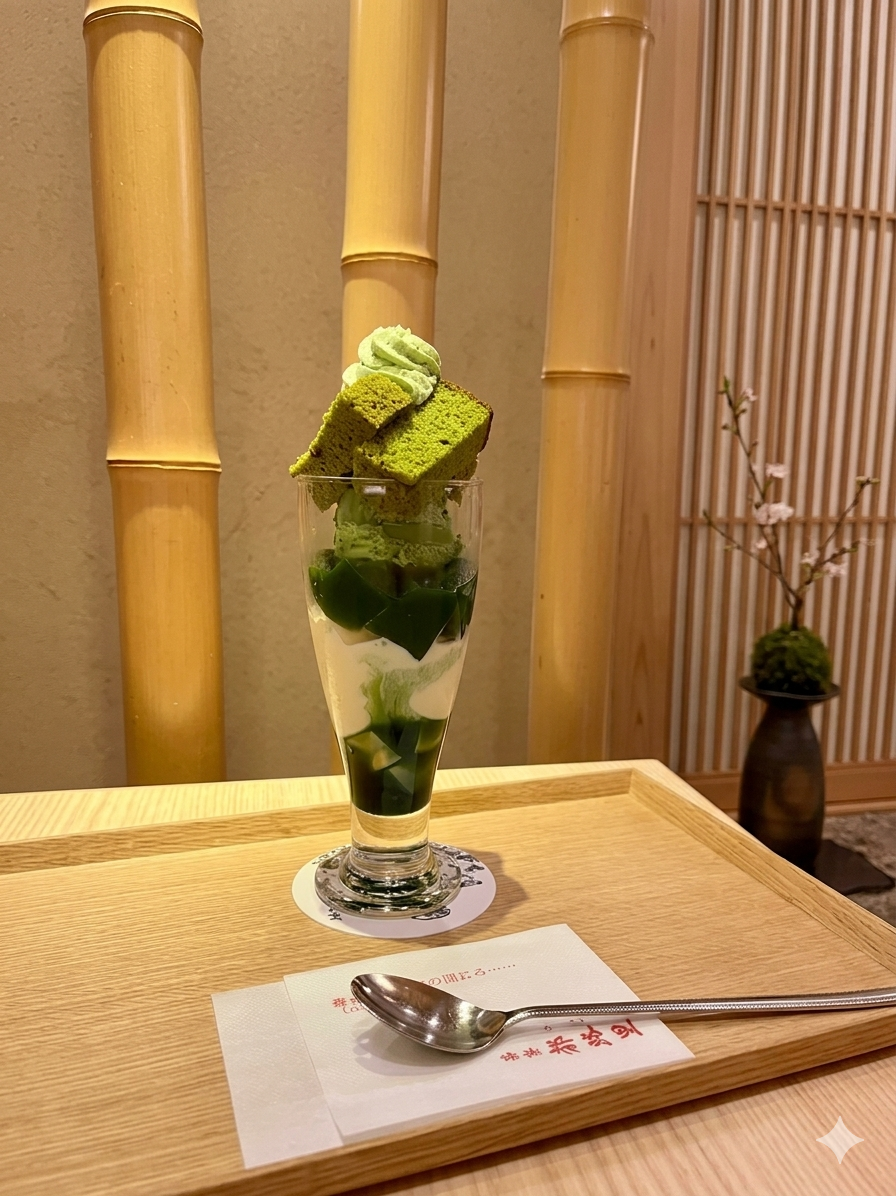
If you’ve been researching a trip to Japan, you already know about the bustling street food in Osaka and the historic temples of Kyoto. But if you want to experience the true, quiet soul of Japanese hospitality, there’s one local keyword you need to add to your itinerary: Saryo (茶寮).
A saryo is a traditional Japanese teahouse or tea parlor. Unlike a standard cafe where you grab a quick latte to go, a saryo is a destination in itself—a place designed for lingering over premium green tea, exquisite seasonal sweets (wagashi), and breathtaking views of manicured Japanese gardens. When my friends visit from out of town and complain about "temple fatigue" from walking all day, a saryo is exactly where I take them to recharge.
Here is a local’s guide to three of the best saryo in Kyoto, complete with what to order and how to avoid the crowds.
Saryo Housen: The Ultimate Hidden Gem
Tucked away in the quiet, residential Shimogamo neighborhood—far from the tourist bottlenecks of Arashiyama—Saryo Housen is where locals go when they want to impress someone. The teahouse is set inside a stunning traditional wooden home, and seating is entirely on tatami mats overlooking a pristine, mossy courtyard garden.
What to order: You are here for one thing: the Warabimochi (around 1,500 JPY). Unlike the mass-produced, gelatinous versions you find in supermarkets, Housen makes theirs to order from 100% pure bracken starch. It arrives glistening, incredibly soft, and slightly warm, served with a side of rich kuromitsu (black sugar syrup). Pair it with a bowl of hot, frothy matcha.
Best time to visit: Arrive right when they open at 10:00 AM on a weekday to secure a premium window seat facing the garden.
How to get there: Take the Karasuma Subway Line to Matsugasaki Station, followed by a peaceful 15-minute walk, or catch Kyoto City Bus #4 to the Shimogamo-jinja-mae stop.
Toraya Saryo: Imperial Elegance
If you want to feel like Kyoto royalty, head to Toraya Saryo. Toraya is one of Japan's oldest and most prestigious confectioners, having served the Imperial family since the 16th century. Their Kyoto Imperial Palace branch is a masterclass in modern-meets-traditional architecture, featuring wide terraces, a library of books on Japanese culture, and floor-to-ceiling windows framing a serene garden.
What to order: Choose the Seasonal Namagashi (fresh sweets) and Matcha Set (approx. 1,600 JPY). The sweets here are edible art, changing every couple of weeks to reflect the micro-seasons of Kyoto—think delicate cherry blossom motifs in spring or maple leaves in autumn. If you visit in the sweltering summer months, their Uji Matcha Kakigori (shaved ice) is a lifesaver.
Best time to visit: Late afternoon (around 3:30 PM). The morning rush has faded, and the afternoon light filtering through the garden trees is pure magic.
How to get there: It’s an easy 5-minute walk from Imadegawa Station on the Karasuma Subway Line, right next to the Kyoto Imperial Palace grounds.
Saryo Tsujiri: The Modern Matcha Classic
While Housen and Toraya are about quiet contemplation, Saryo Tsujiri in Gion is about pure, unadulterated indulgence. Run by a historic Uji tea merchant, this bustling parlor is famous for single-handedly starting the "matcha parfait" craze in Japan. Yes, it is heavily featured in guidebooks, but locals still fiercely love it.
What to order: The Tokusen Tsujiri Parfait (approx. 1,600 JPY). It is a towering masterpiece of rich matcha ice cream, chewy shiratama (mochi dumplings), sweet red bean paste, matcha jelly, and castella cake. Every layer offers a different texture and level of sweetness.
Best time to visit: This place gets famously long lines. To beat the 2-hour queue, skip the afternoon rush. Go immediately when they open at 10:30 AM, or visit for a post-dinner dessert around 7:30 PM.
How to get there: Located right on the main Shijo Avenue in Gion. It’s a 3-minute walk from Keihan Gion-Shijo Station.
Practical Tips for Your Saryo Visit
- Mind Your Socks: Many traditional saryo (like Housen) require you to remove your shoes and sit on tatami mats. Being barefoot on tatami is considered a massive faux pas in Japan. Always wear a clean, hole-free pair of socks!
- Silence is Golden: A saryo is a place of relaxation. Keep your voices low, similar to the volume you'd use in a quiet library or a spa.
- Don't Step in the Garden: The beautiful inner gardens at these teahouses are for viewing only. Resist the urge to step outside for a selfie unless there is a clearly marked walking path.
- Cash is (Usually) King: While larger spots like Toraya and Tsujiri accept credit cards, many traditional, smaller teahouses still prefer or strictly require cash. Always carry some JPY just in case.
Conclusion
Adding a saryo to your itinerary forces you to slow down and appreciate the meticulous craftsmanship that defines Japanese culinary culture. Whether you are gazing at a centuries-old garden or savoring the bitter-sweet balance of matcha and red bean, a visit to a traditional teahouse is an experience you simply cannot replicate back home.